Reviewed by Jamie Knight, Business Finance Executive
Quick answer
Capex vs working capital funding is a matching exercise: the long-life asset (machine, fit-out, vehicles) goes on a term facility repaid over its useful life, while the stock, debtors and wages needed to make it earn go on a revolving or short-term facility that flexes with trading. Fund both from one term loan, or from the overdraft, and the expansion drains day-to-day cash just as the new revenue is still ramping up.
Key points
- Budget the project in five lines, not one: capex, installation, stock, debtor build and ramp-up losses, plus contingency.
- Capex needs a term facility. The working capital ramp needs a facility that moves up and down with trading.
- Lenders test the ramp-up year, not the steady state. Year one cover is usually the lowest number in the model.
- Most capex budgets leave out the debtor build, which is often the largest working capital line.
The most common way an expansion goes wrong isn’t the asset. The machine arrives, the fit-out finishes, the first stage is on time and on budget, and then the business runs short of cash in month three. The capex was funded. Everything that had to happen around it wasn’t.
This guide shows how to split a project budget into its capex and working capital halves, which facility suits each, and what a lender tests before it signs off.
Why does a capex project starve working capital?
Because the two halves have different timing, and a single funding line blurs them. Capex is a lump sum, spent early, that pays back over years. Working capital is a rolling balance that builds as revenue grows: more stock on the shelf, more invoices outstanding, more wages paid before the sales land.
Fund everything from one term loan and the repayments start at full size while the revenue is still ramping. Fund everything from the overdraft and you’ve tied a long-life asset to a limit the bank can review and cut. That second mistake is the one that shows up in overtrading: growth that consumes the cash it creates.
The business.gov.au guide to managing cash flow makes the general point that each funding option carries its own costs and risks and should be compared before you choose. For a project, the practical translation is to compare funding for each part of the budget separately.
What goes into a capex vs working capital budget?
Five lines, plus a buffer. Most first-draft budgets contain only the first.
| Budget line | Type | What it covers | Commonly missed? |
|---|---|---|---|
| Asset purchase | Capex | Machine, vehicles, fit-out, software licences | No |
| Installation and commissioning | Capex | Freight, power upgrades, compliance sign-off, training | Often understated |
| Stock build | Working capital | Raw materials or inventory for the larger run-rate | Sometimes |
| Debtor build | Working capital | Extra revenue × debtor days ÷ 365 | Usually |
| Ramp-up losses | Working capital | Wages and overheads before new revenue covers them | Usually |
| Contingency | Both | A buffer, often 10% of the total | Often cut first |
The debtor build catches owners out because it isn’t an expense. It’s revenue you’ve earned but not yet collected, and it grows with every extra dollar of sales. It also depends on how your customers pay. The Payment Times Reporting Regulator’s January 2026 update reported that the 95th percentile payment time to small suppliers had risen to 64 days from 58, across large entities reporting under the scheme (paymenttimes.gov.au). If your new revenue comes from a large customer, test the budget at their real payment days, not your invoice terms.
Wages ahead of revenue now carry another timing factor. Under Payday Super, from 1 July 2026, employers pay super with each pay run rather than quarterly, so the old float on the super liability is gone. Include super in the ramp-up payroll line at the full cost from the first pay run.
Which facility suits which part of the budget?
Match each line to the life of what it funds.
| Budget component | Better-matched structure | Why |
|---|---|---|
| Asset and installation | Term facility over the asset’s useful life, secured on the asset or property | Repayments are spread over the years the asset earns |
| Stock and debtor build | Working capital facility or line of credit that flexes with trading | Balance rises with sales and clears as debtors pay |
| Ramp-up losses | Short-term funding or a dedicated buffer, sized to the ramp period | The need ends when the project breaks even |
| Contingency | Undrawn headroom, not a drawn loan | You only pay for it if you use it |
Two mismatches are worth avoiding by name:
- Short money for long assets. An on-demand overdraft carrying a six-figure machine means a bank review can force the issue at the worst time.
- Term debt for the working capital. A term loan fixes your repayments before the revenue exists, and you carry the stock and debtor balances as permanent debt after they’ve been funded by sales.
Where the existing bank limit is full or the asset is thin security, a second-ranking facility or a property-secured loan can carry the whole combined budget while the project matures, with a refinance back to a bank once cover recovers. To weigh lender types for the revolving piece, see working capital facility providers. The capex funding and expansion capital pages show how those structures work.
What does a combined project budget look like?
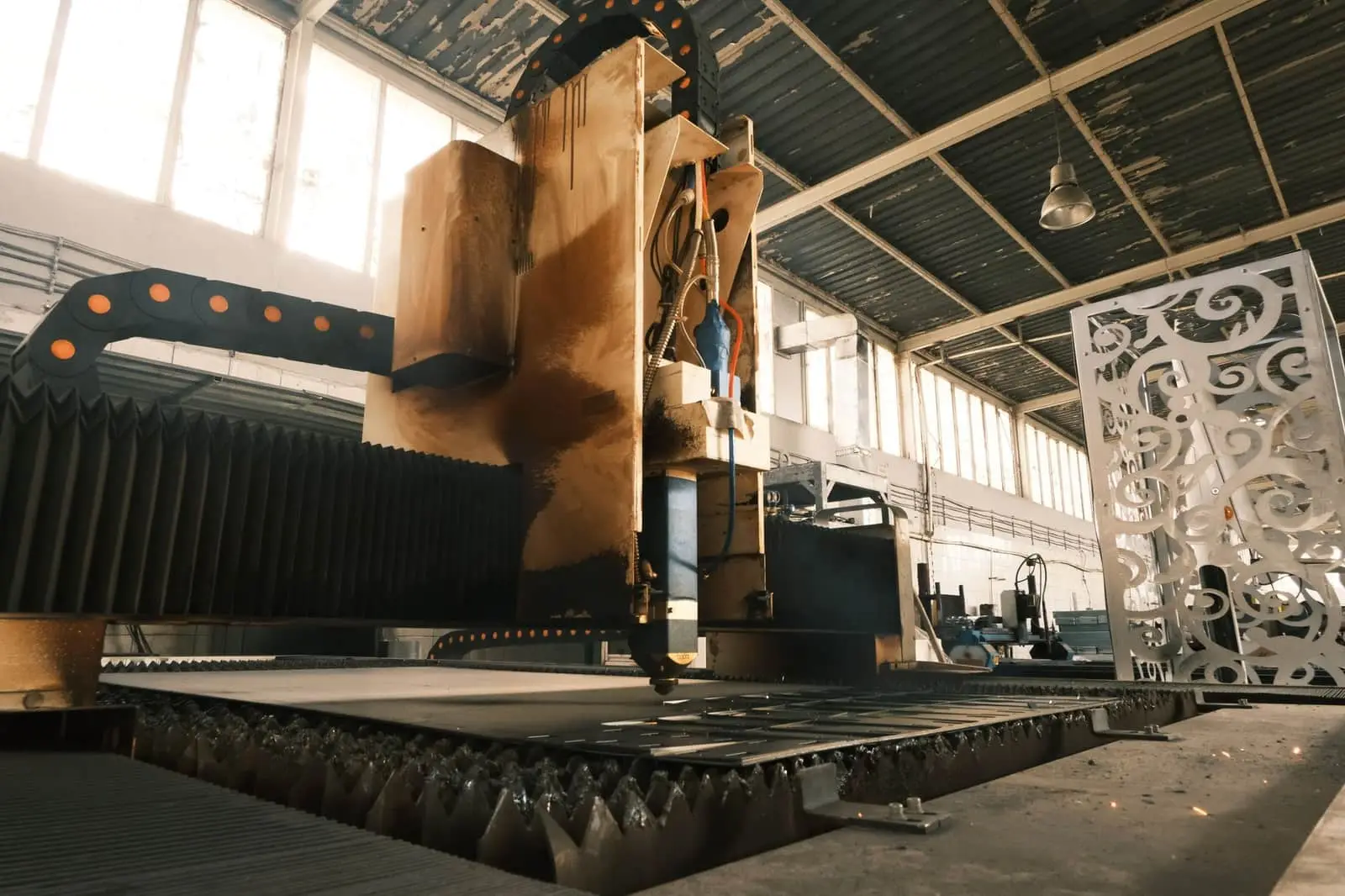
Illustrative only; no real business. A fabrication business turning over $12 million adds a laser cutting line. It expects $3 million in extra annual revenue at 45 debtor days once fully running, and the new line takes about four months to reach full output.
| Line | Amount |
|---|---|
| Machine | $900k |
| Installation, power and training | $60k |
| Capex subtotal | $960k |
| Stock build | $250k |
| Debtor build ($3m × 45 ÷ 365) | $370k |
| Ramp-up wages and overheads before revenue covers them | $180k |
| Working capital subtotal | $800k |
| Contingency (10% of $1.76m) | $176k |
| Total project funding | about $1.94m |
A capex-only budget would have asked for $960k. The project actually needs about twice that, and 45% of it is working capital that a term loan for the machine does not provide.
The structure that fits: a term facility for the $960k capex over the machine’s life, and a working capital facility, increased or new, sized for the $800k ramp, with the $176k contingency as undrawn headroom.
Want to run your own project through the same split? Check your options with a specialist: the enquiry takes about a minute and doesn’t involve a credit check.
How will a lender test the ramp-up year?
A credit analyst doesn’t ask whether the finished project is profitable. They ask whether the existing business can service the new debt while the project is still not earning. The test is year-one debt service cover, using the method in our debt service cover guide.
Continuing the illustrative example, assume the existing business earns EBITDA of $1.5 million with $600k of annual debt service, and the new capex facility adds about $190k of annual repayments.
| Existing business | Year 1 of project | Year 2 of project | |
|---|---|---|---|
| EBITDA | $1.50m | $1.40m | $1.95m |
| Total debt service | $0.60m | $0.79m | $0.79m |
| Debt service cover | 2.5x | 1.77x | 2.47x |
Year one is lower because ramp-up losses of $180k outweigh the first $80k of contribution. The lowest number in the model is the one that matters. If the facility carries a minimum cover covenant of 1.5x, year one needs EBITDA of at least about $1.19 million, so headroom is roughly $215k. A project that slips a quarter could use most of that. The covenant headroom forecast shows how to model the slip before the bank asks.
You can test your own numbers in the debt service cover calculator and your cash cycle in the working capital cycle calculator.
Does the instant asset write-off change the funding choice?
For large capex, generally not. The ATO’s new legislation page covers the $20,000 instant asset write-off for small businesses. It applies per asset, and the turnover test is aggregated annual turnover under $10 million. A $900k machine is outside the per-asset limit, and a business turning over more than $10 million is outside the test altogether. Depreciation over the asset’s effective life applies instead, which spreads the deduction rather than bringing it forward.
The practical point is to not count on a large upfront tax deduction to fund the cash. Tax timing is an adviser’s call; the funding structure should work without it.
A checklist before the capex is approved
- Break the project into the five budget lines plus contingency
- Calculate the debtor build using your largest customer’s real payment days
- Put super and payroll at full cost from the first pay run
- Match the term facility to the asset life and the revolving facility to the working capital
- Run year-one debt service cover with ramp-up losses included
- Check covenant headroom against a one-quarter delay
- Keep contingency as undrawn headroom, and confirm it will still be available at drawdown
Planning an expansion? Let’s check the structure before you commit
Big projects are won or lost on how the cash is organised around the asset. We work with established SMEs on exactly that split: the capex facility, the working capital line behind it, and property-secured capital where the bank’s appetite or the asset’s security runs short.
Putting your numbers in takes about 60 seconds, and there’s no credit check when you enquire, so asking where you stand won’t touch your credit file. Your details aren’t sent to a pile of lenders. One specialist reads your project, then calls you to talk through the structure. Please fill the form in accurately, particularly the project cost, expected extra revenue and what you already owe, so we can match the right option first time.
Ready when you are
Check your options in about 60 seconds
A few quick questions. Asking won't touch your credit file, your details aren't sent to a pile of lenders, and a real person reads every enquiry.
Frequently asked questions
What is the difference between capex funding and working capital funding?
Capex funding pays for assets that last years, such as plant, vehicles or a fit-out, and is normally repaid over a term that reflects the asset's life. Working capital funding covers the day-to-day gap between paying suppliers and wages and collecting from customers. It tends to be revolving or short-term because the need rises and falls.
Can I fund capex from my overdraft or line of credit?
You can, but it is risky. A limit that is reviewed annually and repayable on demand is a poor match for an asset that takes years to pay back. If the bank trims the limit at review, you lose the working capital the new asset needs while the asset itself can't be sold to cover it.
How much working capital does a new machine or expansion need?
It depends on the cycle. A rough build is extra annual revenue multiplied by debtor days over 365, plus extra stock, plus the wages and overheads you carry before the new revenue covers them. Run your own days through the working capital cycle calculator rather than borrowing a rule of thumb.
Does the instant asset write-off cover large capex?
No. The $20,000 instant asset write-off applies per asset and to businesses with aggregated annual turnover under $10 million, so a large machine or a business above that turnover generally falls outside it. Ordinary depreciation rules apply instead. Confirm the position for your entity with your accountant and the ATO's pages.
What do lenders look at in a ramp-up period?
They test whether the existing business can carry the new repayments while the new revenue is still building, usually through year-one debt service cover. They also read the budget for missing items, especially the debtor build and wages ahead of revenue, because those are what usually blow the plan.
When does a second-ranking or property-secured facility fit a capex project?
When the asset itself is thin security, the bank's limit is already used, or the project spans both capex and a working capital ramp. Property-secured capital from $20,000 to $5,000,000 can fund the combined budget while the project matures, with the structure reviewed once cover has recovered.